
Abbas never thought he would end up hunting big game in the West. After seeing how animals were treated in industrial systems, he even became a vegetarian for a while. Still, he kept wondering if hunting could ever be ethical.
He began exploring the backcountry later in life. Curiosity, a sense of responsibility, and the idea that ethical hunting can do less harm and bring us closer to nature motivated him.
Some people hunt because they want trophies. Others hunt to put meat on the table. Abbas hunts for the story, the kind you earn through cold mornings, sore legs, and lessons learned the hard way. This is his journey.
This episode is part of Black Box Stories, where we share real conversations from the hunting community through honest storytelling.
A Western Big Game Hunter
A Western Big Game Hunter pursues large North American mammals like elk, mule deer, pronghorn, moose, and bear in the western United States and Canada.
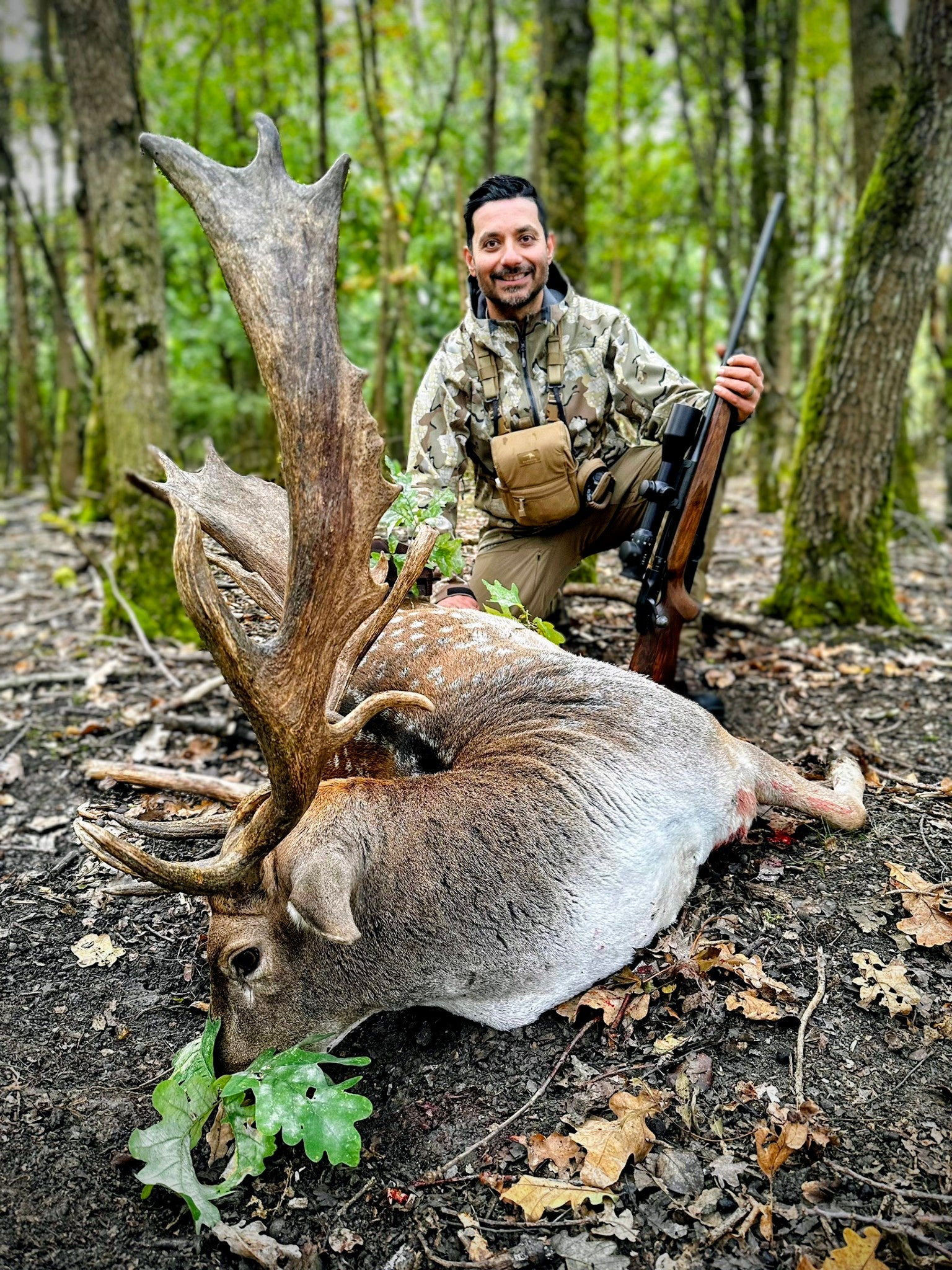

Western big game hunting is anything but casual. It involves long hikes, tough climbs, unpredictable weather, and patience that stretches over days instead of hours.
Abbas hunts elk, deer, turkey, and mule deer. His ambitions keep growing. Over the years, he’s hunted across multiple continents, an opportunity he never takes for granted.
That word fortunate says a lot about his mindset. Abbas doesn’t see hunting as entitlement. He sees it as a privilege earned through preparation, respect for the land, and respect for the animal.
The Thrill of Type 2 Fun

For Abbas, difficulty isn’t something to avoid, it’s the reason to go.
“In the moment, it’s work. It requires grit and motivation. But later you look back and think, ‘Man, that was a great run.”
“The most fun hunts are the ones where there were a lot of challenges. It doesn’t matter if you kill something or not.”
He explains hunting through a concept many outdoors people understand deeply: Type 2 fun.
Type 1 fun is easy joy—a roller coaster, a good meal, instant smiles.
Type 2 fun is different.
Hunting lives squarely in that second category. You don’t always look happy while climbing another ridge with a heavy pack. Your legs burn. Your lungs work overtime. But when it’s over, the memory sticks.
What matters is how you got there. Who you were with. What you pushed through. That’s the real trophy.
Ethical Hunting - From Vegetarian to Sustainable Living


After watching a slaughterhouse video, he stepped away from meat entirely. Abbas’s path to hunting wasn’t straightforward.
It started with discomfort.
But life has a way of complicating simple answers. While tending his organic vegetable garden, Abbas noticed something that changed everything. That realization hit hard.
“Life is life. To do things humanely and cause the least harm, hunting was the best choice.”
“Of course, it’s so much fun to be out in nature.”
For Abbas, hunting became the most ethical option available to him—the smallest footprint with the least loss of life. And beyond the ethics, there was something else.
Fitness, Gear & Avoiding Rookie Mistakes

Preparation is where most hunts are won—or lost.
One mistake stands above the rest.
“Elk hunting is up a hill and down a hill. That’s all you’re doing.”
“On the seventh or ninth day, you need the same optimism you had on day one.”“You already can’t breathe. Then you add elevation and a heavy pack.”
“Just being outside all day doing temperature regulation is exhausting.”“Physical preparation takes about a full year.”
Physical fitness is non-negotiable. Gear failure isn’t just inconvenient it can end a hunt. But gear is only part of the equation. Physical preparation matters just as much. Day after day.
That requires serious conditioning, especially for hunters coming from sea level. Even existing outdoors takes energy. Preparation isn’t a weekend thing.
Hunter’s Gear Secrets - Pack Light, Pack Smart


When Abbas talks about gear, weight is the enemy. When everything is on your back, weight matters.
“Some hunters cut their toothbrush in half. Socks are the only extra thing.”
“You’re seven days in one set of underwear. That’s just how it is.”
Experienced hunters cut everything down to essentials. A cup becomes a bowl. A bowl becomes a plate. Laundry doesn’t exist on top of a mountain. Every ounce on your back matters, and every item must earn its place. There’s no room for luxury.
Hunting Adventures - From First Hunt to Far North

Abbas didn’t start hunting young, but once he started, he went all in.
“We went for a moose hunt. That was amazing. In 2026, we’re going for moose and caribou.”
But once he started, momentum took over. One hunt became five. Five became ten. He’s traveled across mountain states—Wyoming, Montana, New Mexico—and as far as Northern Canada.
His travels include Northern Canada, Western U.S. mountain states, and upcoming trips to New Mexico and Alaska.
Year-Long Physical Preparation & Planning
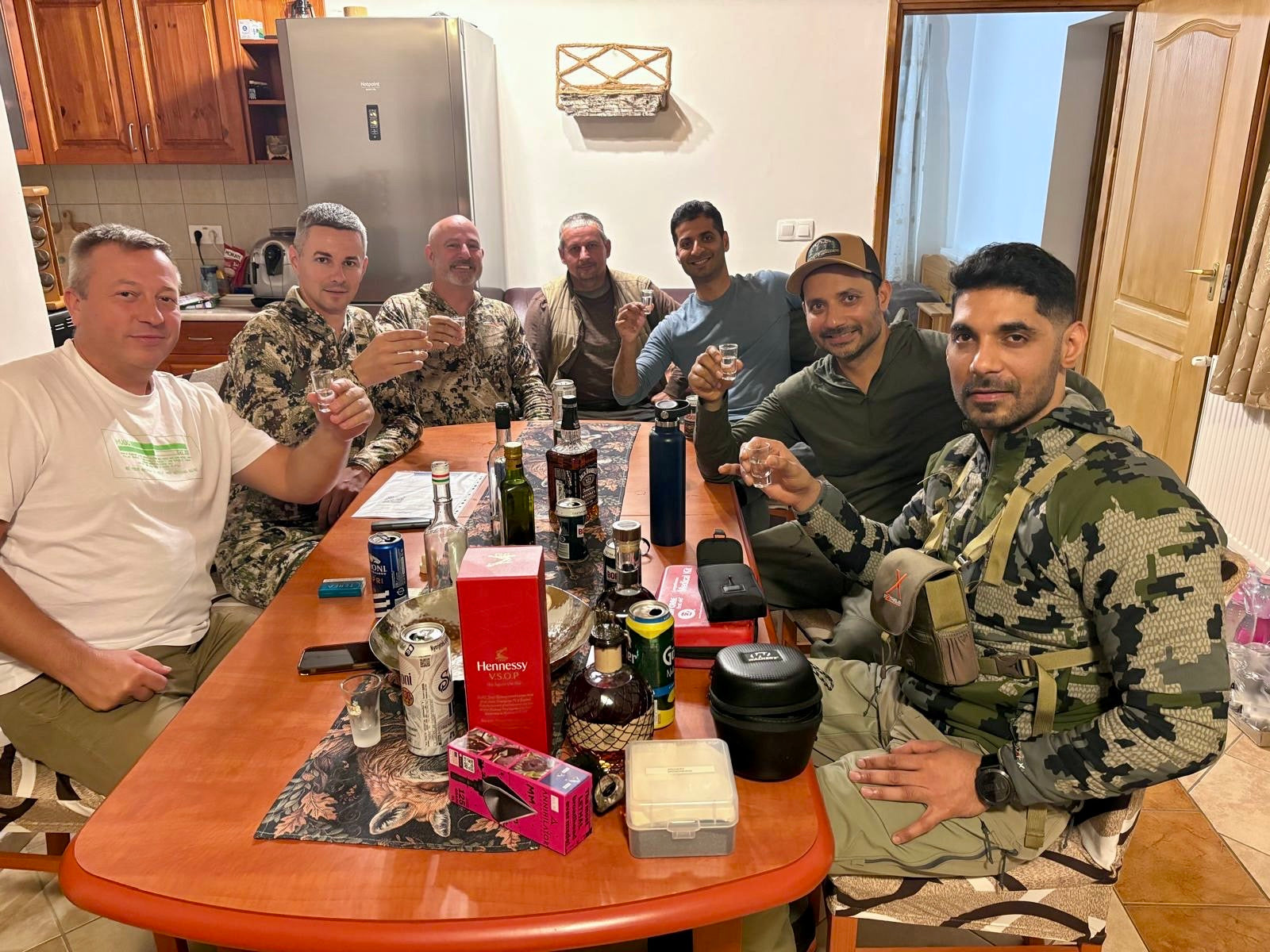
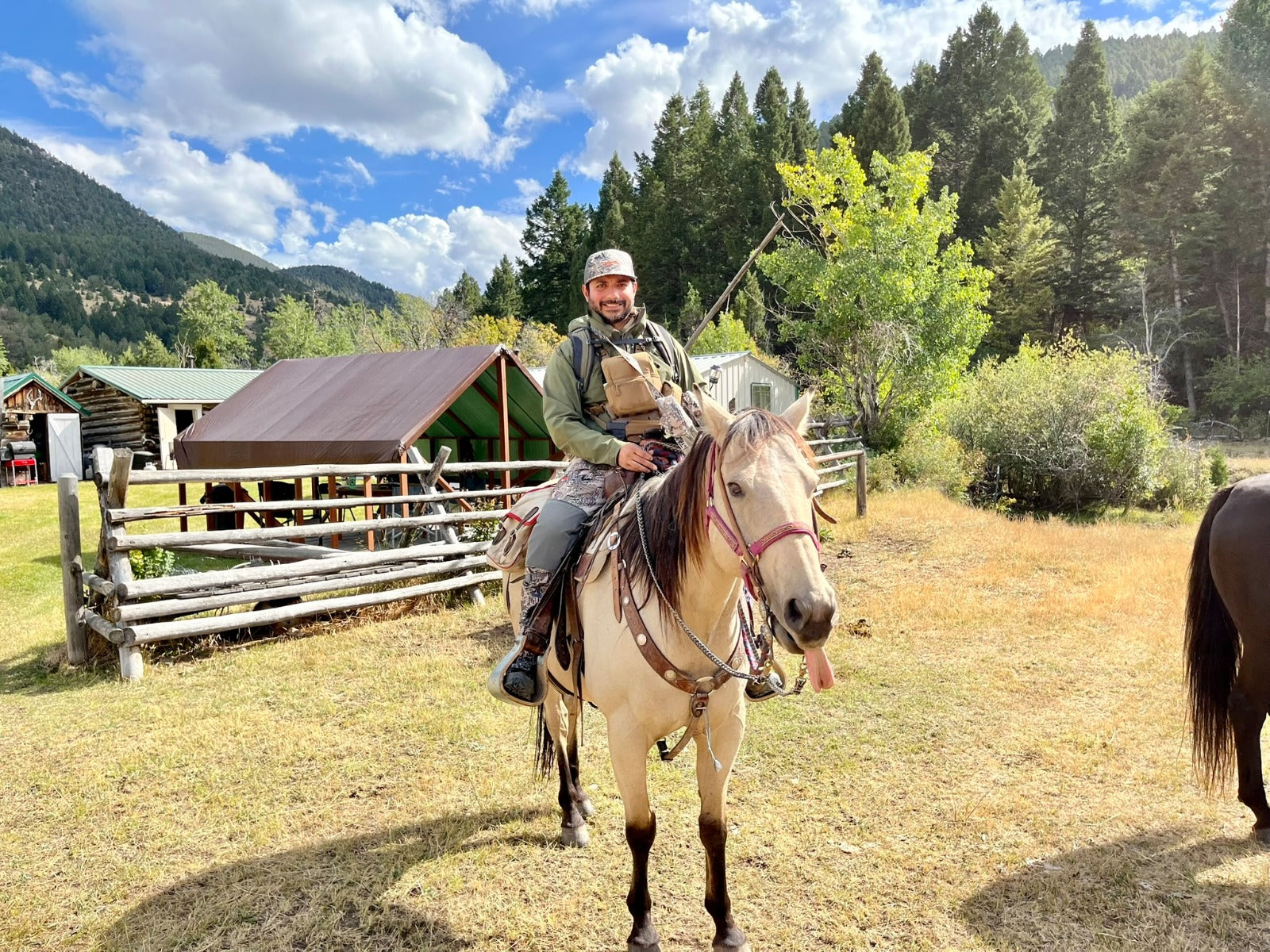
Elite hunts demand elite preparation.
“You have to be disciplined. Build VO2 max, strength, and the ability to carry a big backpack.”
“You need Plan A, B, C, and D—because things will change.”
Strength, endurance, VO₂ max, load-bearing capacity—it all matters. But so does planning. Weather changes. Conditions shift. Gear fails. Because surprises in the backcountry are rarely good ones.
MEAT IS THE REAL TROPHY - COOLER THERMOMETER, A GAME-CHANGER FOR MEAT CARE

Some gear is invisible until it’s not.
"To ethical hunters, meat is as much a trophy as anything else."
"I want to know 100% that my meat is cold and staying cold."
"Having a built-in thermometer is a game-changer.”
For ethical hunters, meat is the real trophy. Once the animal is down, responsibility begins. Opening a cooler introduces risk, but uncertainty is worse. Peace of mind matters when you’ve invested days—or weeks—into a hunt.
When Bad Gear Ruins a Hunt

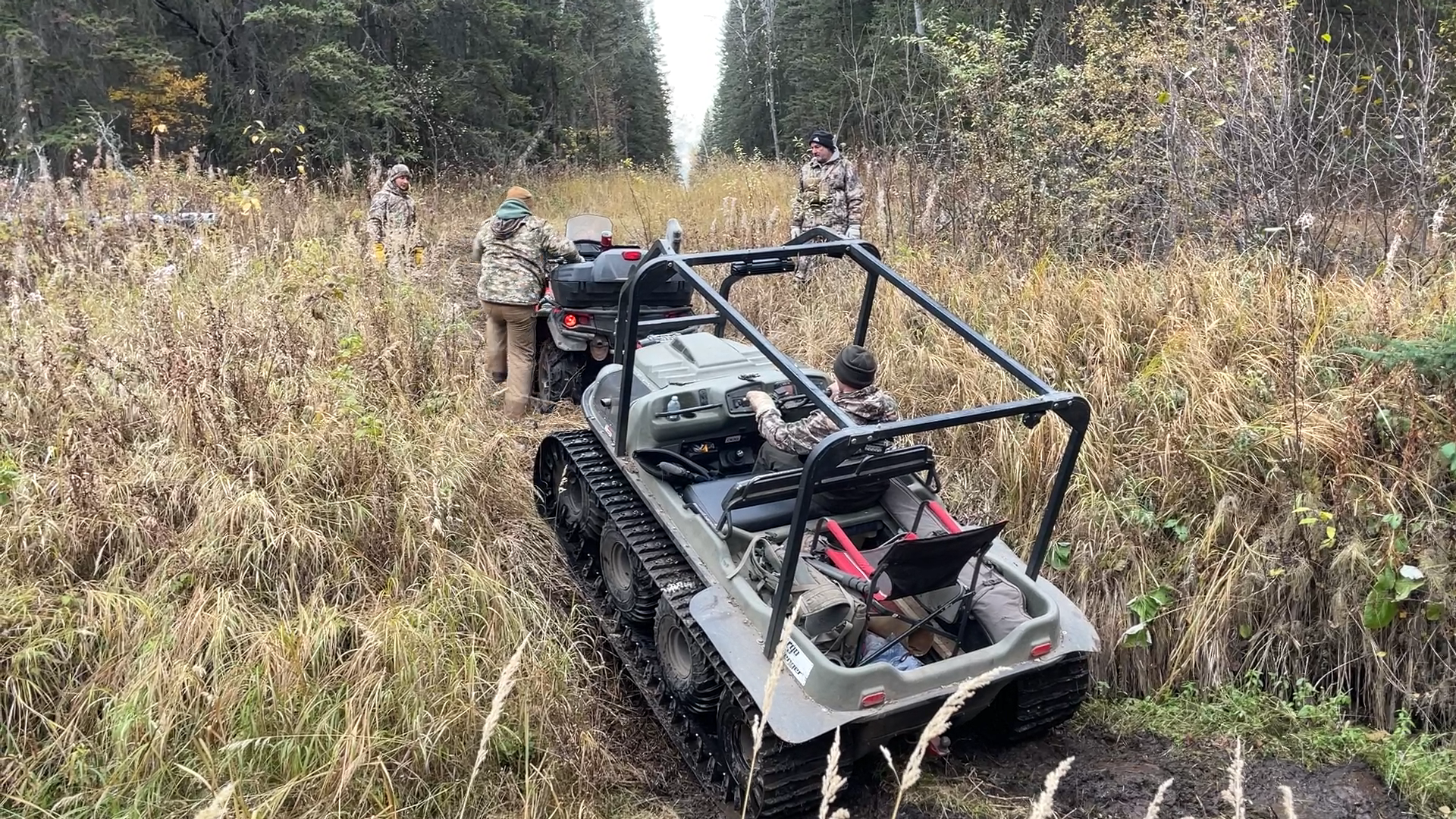
Abbas shares a cautionary tale from a hunting partner.
The result? Food ruined. Momentum broken.
That break in rhythm changed the entire hunt. Sometimes, the smallest failure has the biggest consequences.
The Cooler That Changed My Hunt

After failed Bluetooth thermometers and missed alerts, Abbas learned the hard way.
This idea isn’t just about making things easier. It’s about trust. When a hunt is successful, the real work starts. Taking care of the meat is now the main focus, and it’s important not to fail at this stage.
Abbas learned that lesson when he tried to cut corners.
On paper, it sounded fine. Alerts were set. Everything seemed ready.
That kind of silent failure is dangerous in the backcountry. When you’re far from home and have put in a lot of time, money, and planning, you may not get another chance if something goes wrong.
Abbas values reliability. The Pilot Outdoors cooler thermometer gives clear readings every time, so there’s no need to guess or worry about unreliable connections.
As he stated:
That detail matters. It’s not about air temperature alone. It’s about what’s happening at the core, where it counts most.
And the results speak for themselves. Even with outside temperatures around 46 degrees, the cooler holds strong.
For Abbas, that confirmation is everything.
Because when you hunt ethically, protecting the meat isn’t optional—it’s part of the responsibility. And in the field, trust isn’t about branding or trends. It’s about knowing, without doubt, that what matters most is protected.
What Hunting Really Teaches You
Abbas hunts for challenges. For ethics. For stories that only difficulty can create. It’s not about ease. It’s about effort. And when he looks back, tired legs and all, he knows exactly why he keeps going.
Through Abbas’s experiences, hunting becomes more than a pursuit—it’s a philosophy built on preparation, ethics, resilience, and respect.
It’s not about easy wins.
It’s about Type 2 fun, earned confidence, and doing things the right way—even when no one is watching.
And that’s what makes the journey worth it.